

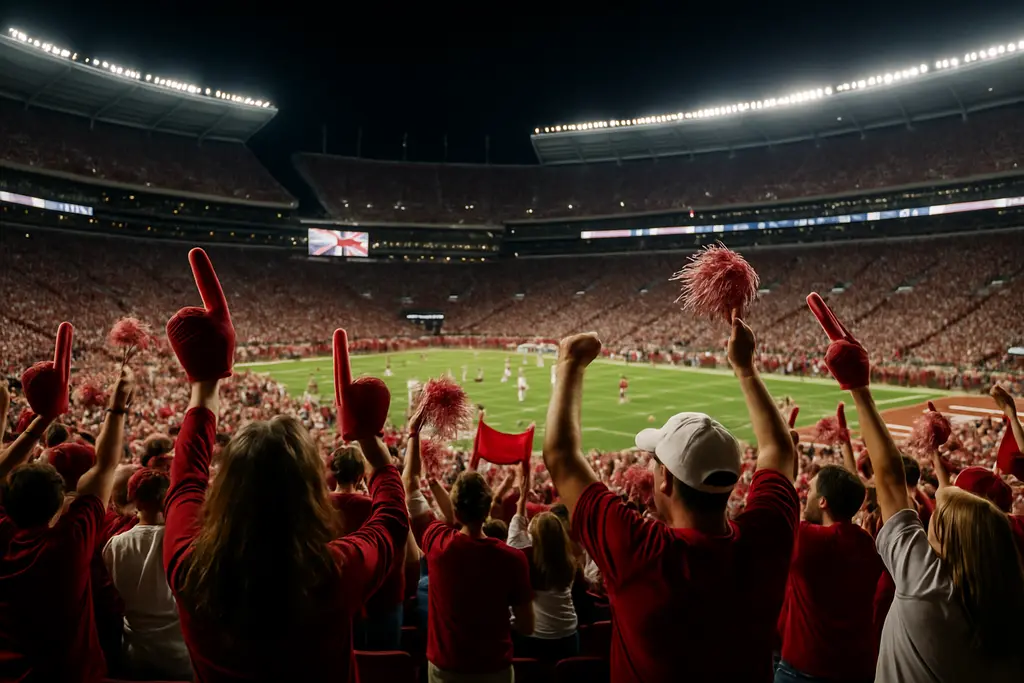
As of Sept. 22, 2026, Alabama Home Games have shifted from the first two Tuscaloosa dates into the central stretch of the Crimson Tide’s home football calendar. Alabama’s 2026 regular season included seven home dates at Saban Field at Bryant-Denny Stadium, with East Carolina on Sept. 5 and Florida State on Sept. 19 already played, followed by South Carolina on Sept. 26, Georgia on Oct. 10, Texas A&M on Oct. 24, Chattanooga on Nov. 21, and Auburn on Nov. 28, according to the 2026 Alabama football schedule. For local families, returning alumni, students, and visitors coming into Tuscaloosa, the key now is separating what has passed from what still shapes the fall.
Alabama Home Games On The 2026 Calendar
Alabama Home Games By Date
The first point of order is the calendar itself. Alabama’s home schedule was not evenly spaced, and that matters for anyone planning around hotel demand, family weekends, campus traffic, and the rhythm of Tuscaloosa Saturdays. The Sept. 5 East Carolina game and the Sept. 19 Florida State game were already behind Alabama by Sept. 22, 2026. The remaining home dates brought a heavier SEC feel, with South Carolina, Georgia, Texas A&M, and Auburn all still on the Bryant-Denny schedule after that date, plus a late-November visit from Chattanooga.
| Date | Opponent | Status As Of Sept. 22, 2026 |
|---|---|---|
| Sept. 5, 2026 | East Carolina | Already played |
| Sept. 19, 2026 | Florida State | Already played |
| Sept. 26, 2026 | South Carolina | Remaining home date |
| Oct. 10, 2026 | Georgia | Remaining home date |
| Oct. 24, 2026 | Texas A&M | Remaining home date |
| Oct. 31, 2026 | Open date | No Alabama game listed |
| Nov. 21, 2026 | Chattanooga | Remaining home date |
| Nov. 28, 2026 | Auburn | Remaining home date |
What Changed After September 22
By Sept. 22, the conversation around the home slate had narrowed. Opening-day routines had already been tested, the first major non-conference home date had already passed, and Tuscaloosa had turned toward a run of games with deeper conference meaning. For Alabama Home Games after Sept. 22, the South Carolina date on Sept. 26 carried the first immediate planning burden. That game sat only four days away from the Sept. 22 reference point, which made campus arrival habits, pregame timing, and postgame traffic patience more than small details.
That South Carolina week also had a local storyline beyond the schedule line. It brought another Southeastern Conference opponent into Bryant-Denny, and for readers tracking matchups and Tuscaloosa logistics, our Alabama South Carolina preview connects the football side of that date with the setting around it. A home game in Tuscaloosa is never only about the two sidelines. It pulls in families driving from across Alabama, visiting fans from the Carolinas, campus workers, downtown restaurants, church lots, and former students who plan their fall around one or two Saturdays back on the Capstone.
Bryant-Denny Scale And Tuscaloosa Rhythm
Alabama Home Games And Stadium Size
Saban Field at Bryant-Denny Stadium is built for a crowd on a scale few college towns handle. Alabama Athletics lists the stadium capacity at 100,077, placing it among the nation’s largest on-campus college football venues, according to the official Saban Field at Bryant-Denny Stadium facility page. That number explains much of the game-day rhythm around Tuscaloosa. A crowd that size does not arrive all at once, leave cleanly in one wave, or move through campus like a normal weekday class change.
The scale of Bryant-Denny also explains why veteran Alabama supporters tend to think in terms of blocks of time rather than single moments. The walk from a family tailgate, the time needed to meet relatives near the Quad, the pace of movement near stadium gates, and the return to a parking area all depend on the same basic truth: the stadium is large enough to shape the city around it. Alabama Home Games ask fans to respect that scale, especially for dates that bring regional opponents and larger visiting contingents.
Local Planning Without Guesswork
The research available for this article confirms the home schedule, the open date, and the official stadium capacity. It does not provide an approved Alabama Athletics source in this brief for game-by-game gate times, bag inspection details, shuttle routes, or parking changes for each date. Those items can shift by opponent, kickoff window, construction needs, campus operations, or public safety decisions. Because of that, the responsible advice is simple: use the confirmed schedule as the foundation, then check University game-day communications close to each individual date before making final travel choices.
That kind of caution is not alarmist. It is how Tuscaloosa has learned to host major Saturdays. A family driving in from Walker County, a group of students meeting parents before kickoff, and an alumnus staying downtown all experience the same event in different ways. The fixed facts are the venue, the opponent, and the date. The flexible parts are the ones that can determine whether the day feels rushed or comfortable.
How The Remaining Home Dates Fit The Season

The September 26 Return To Tuscaloosa
The Sept. 26 South Carolina game came quickly after the Florida State home date, giving Tuscaloosa little time to reset between major Saturday operations. For local businesses, that kind of spacing can mean another wave of visitors before the town has fully exhaled from the previous home weekend. For Alabama’s football program, it meant the home crowd remained part of the season’s early identity. Even without making claims about results or standings not contained in the supplied research, the calendar itself shows a fast turn from one home Saturday to the next.
The Oct. 10 Georgia game then stood as the next home date after South Carolina. With an open space between those two home games, fans had more time to plan lodging, campus meetups, and family travel. Texas A&M followed on Oct. 24, placing another SEC opponent in Bryant-Denny before Alabama’s Oct. 31 open date. That open date gave the home schedule a clear pause before the late-November closing stretch.
The Late-November Close
After the Oct. 31 open date, the home calendar listed Chattanooga on Nov. 21 and Auburn on Nov. 28. That final pairing matters in Alabama because late November has long carried its own football weight. A home game near Thanksgiving week changes the feel of campus. Students are balancing academic calendars and travel. Families are building holiday plans around football. Local restaurants and hotels prepare for crowds that mix celebration, rivalry, and reunion.
The Nov. 28 Auburn date carried the most familiar state-wide pull on the home slate. The research provided does not include rivalry records, kickoff details, or team form, so there is no need to dress it up with unsupported claims. The date and opponent say enough. Auburn coming to Bryant-Denny in late November is one of those Alabama sports markers that reaches beyond the stadium bowl and into living rooms, small towns, and family tables across the state.
Why Alabama Home Games Matter In Tuscaloosa
Alabama Home Games remain one of the clearest connections between the University, the city, and the wider state. The official schedule gives fans the framework, and the size of Bryant-Denny explains why planning matters. After Sept. 22, 2026, the home season still held South Carolina, Georgia, Texas A&M, Chattanooga, and Auburn, with an Oct. 31 open date creating a break before the final push. For Tuscaloosa, those dates were more than entries on a football calendar. They shaped traffic patterns, family weekends, business activity, alumni returns, student traditions, and the weekly pulse of a town that has long measured autumn by Saturdays at Bryant-Denny.