

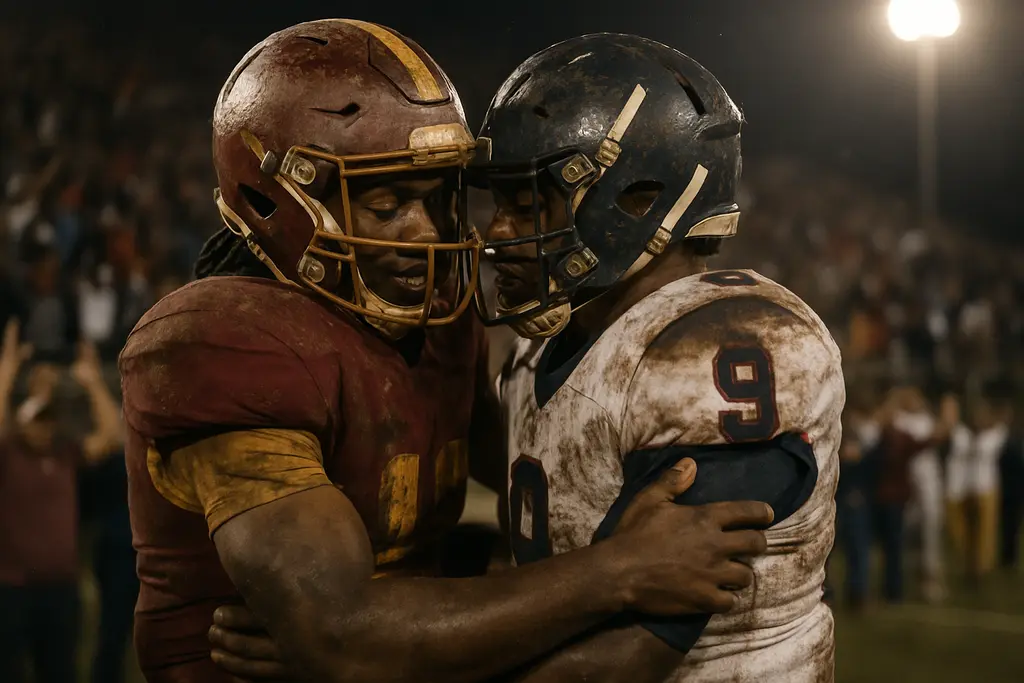
By October 9, 2026, HBCU football rivalries had already produced a season’s worth of turning points: a final-play interception in Durham, a coaching change at Tuskegee, streaks extended in SWAC play, and pride games that carried weight far beyond the final score. For Alabama readers, the Tuskegee development hit closest to home, but the larger pattern across HBCU football was clear. Rivalry games were shaping locker-room confidence, alumni conversation, and the way programs measured progress under pressure.
Why HBCU football rivalries Felt Different
Rivalry football at HBCUs has never been only about records. Bands, alumni sections, travel parties, homecoming energy, and old neighborhood connections all sit beside the football itself. What made September and early October 2026 stand out was how many of these games carried immediate football consequences. Coaches were judged. Quarterbacks were tested. Running games either settled nerves or exposed gaps. A few games were decided by single late-game moments, while others turned into statements about control at the line of scrimmage.
That blend matters in places like Tuskegee, Montgomery, Birmingham, Atlanta, Durham, Greensboro, Baton Rouge, Jackson, Houston, and Washington, D.C. These are not neutral brands on a schedule sheet. They are community markers. A win can travel through campus for weeks. A loss can follow a staff into every Monday meeting. In 2026, several rivalry results did more than add a line to a record; they changed the tone around programs before mid-October.
Aggie-Eagle Classic Set The Tone
The Final Snap In Durham
On September 12, 2026, NC Central beat North Carolina A&T 30-22 in the 98th Aggie-Eagle Classic at Durham, North Carolina. The detail that will live longest is the final-play interception in the end zone, the kind of ending that turns a rivalry game into a family argument for the next offseason. Plez Lawrence carried NC Central with 210 rushing yards and three touchdowns, while A&T quarterback Kevin White threw three touchdown passes but also had four turnovers, according to the Aggie-Eagle Classic report.
That box score told two stories at once. NC Central had the steadier path because Lawrence’s ground production gave the Eagles a way to control possessions and force A&T to answer. North Carolina A&T still had explosive moments through the air. Elijah Kennedy finished with 112 receiving yards on seven catches, including a 51-yard touchdown reception. Yet rivalry games often punish the team that gives away extra chances, and the turnovers attached to A&T’s passing production became the difference between a comeback and a narrow road defeat.
HBCU football rivalries And Sideline Pressure
The Aggie-Eagle Classic also carried a sideline episode tied to band and game-day protocol. Research accounts described a confrontation during halftime preparations between NC Central’s Sound Machine band and members of the North Carolina A&T football equipment staff after what appeared to be a breach of band etiquette involving movement through a band formation. Because band culture is part of the competitive fabric at HBCU games, moments like that draw attention quickly.
The lesson is not that the sideline moment should overshadow the players. It should not. The football result came from blocking, tackling, turnovers, and late-game execution. Still, HBCU football rivalries include marching bands as active participants in the event’s identity. Game-day operations, clear field access, and mutual respect among football staffs and bands are not minor details. They are part of keeping a rivalry intense without letting the environment spill past its bounds.
Tuskegee’s Change Hit Alabama Hard
A Rivalry Loss Before A Coaching Search
In Alabama, the most consequential development came from Tuskegee. On October 4, 2026, Tuskegee University announced that Aaron James had been relieved of his duties as head football coach. The school said assistant coach Keith Higdon would serve as interim head coach while a national search moved forward, according to Tuskegee’s announcement. That official statement fixed the date and the immediate leadership plan.
The supplied research links the move to a 30-28 Morehouse win over Tuskegee in the Morehouse-Tuskegee Classic, a game described as including a late would-be 59-yard Tuskegee field goal attempt that could have changed the result. The research notes include conflicting dates for that game, listing both September 26 and October 2, 2026. Because of that conflict, the safest reading is this: Morehouse beat Tuskegee 30-28 shortly before Tuskegee’s October 4 coaching announcement, and the loss sat directly in the discussion around the Golden Tigers’ 2-3 start.
Why The Golden Tigers Matter Here
Tuskegee is not just another program on an Alabama football map crowded by SEC power and high school passion. The Golden Tigers carry deep HBCU identity in the state, and their rivalry games have long connected alumni, students, and families from the Black Belt to Atlanta. When Tuskegee changes head coaches in the days after a classic-game loss, the move is felt through tailgates, local conversations, and old classmates who still measure autumn by those annual Saturdays.
For a sports historian in Alabama, this kind of coaching change lands differently from a routine staff move. It asks what Tuskegee wants its football personality to be: physical at the line, disciplined late, and strong enough in roster development to withstand close finishes. The Morehouse result, as reported in the research, was not a blowout that left little to study. It was a two-point game. That makes evaluation harder and more human. Close rivalry losses often sharpen every question about fourth-quarter poise, special teams trust, and whether a program is gaining ground or standing still.
Rivalry Results Shifted Conference Talk

Streaks, Quarterbacks, And Momentum
Beyond Tuskegee and Durham, other rivalry results from late September and early October added to the season’s tension. Jackson State beat Southern 35-17 in the BoomBox Classic on September 26, 2026, and the research notes that the win extended Jackson State’s streak in that rivalry to eight straight games in SWAC play. Nate Blount IV rushed for 135 yards and two touchdowns, giving Jackson State the kind of ground presence that travels well in rivalry football.
On October 3, 2026, Howard beat Hampton 27-13 in the Battle of the Real HU at Audi Field in Washington, D.C. Ja’Shawn Scroggins accounted for 331 total yards, and Billy Roberson II caught a 52-yard fourth-quarter touchdown that helped secure the result. That gave Howard back-to-back wins in the series after ending Hampton’s eight-game win streak the prior season, according to the research. In Houston, Prairie View A&M beat Texas Southern 52-14 in the Labor Day Classic on September 6, 2026, with a 28-point third quarter creating separation.
What Stayed Uncertain In The Record
Some details from the research carried enough agreement to discuss confidently, while others deserved caution. The Aggie-Eagle score, Lawrence’s rushing total, Kennedy’s receiving line, and the final-play interception were tied together in the cited game account. Tuskegee’s October 4 coaching announcement was confirmed by the university. The Morehouse-Tuskegee date conflict, though, is exactly the kind of issue local sports writers must handle with care. A rivalry’s meaning should not excuse a shaky timeline.
That caution does not weaken the football story. It strengthens it. HBCU football rivalries are often covered through emotion, but the best accounts keep the emotion attached to verified results. Early October 2026 brought Southern’s homecoming loss to Arkansas-Pine Bluff, Jackson State’s comeback over Alabama A&M, Bethune-Cookman’s movement in the SWAC East discussion, and the Tuskegee coaching shift. Each item belongs to a wider conference conversation, but each also carried campus-level meaning.
What HBCU football rivalries Mean Now
The early 2026 rivalry run showed why these games remain central to the sport’s local identity. The Aggie-Eagle Classic reminded everyone how a single end-zone decision can define a Saturday. Tuskegee’s coaching change showed how quickly a rivalry loss can become an institutional turning point. Jackson State, Howard, and Prairie View A&M used rivalry wins to reinforce momentum, while their opponents left with hard questions about turnovers, tackling, and late-game response.
For Alabama readers, the Tuskegee thread deserves close attention after October 4, 2026. Keith Higdon stepped into an interim role at a program where history, alumni standards, and community pride all sit close to the sideline. Across the broader HBCU schedule, the same truth held: HBCU football rivalries are not side shows to conference football. They are where identity gets tested in public, where bands and families share space with fourth-down calls, and where one September or October result can follow a program for years.