

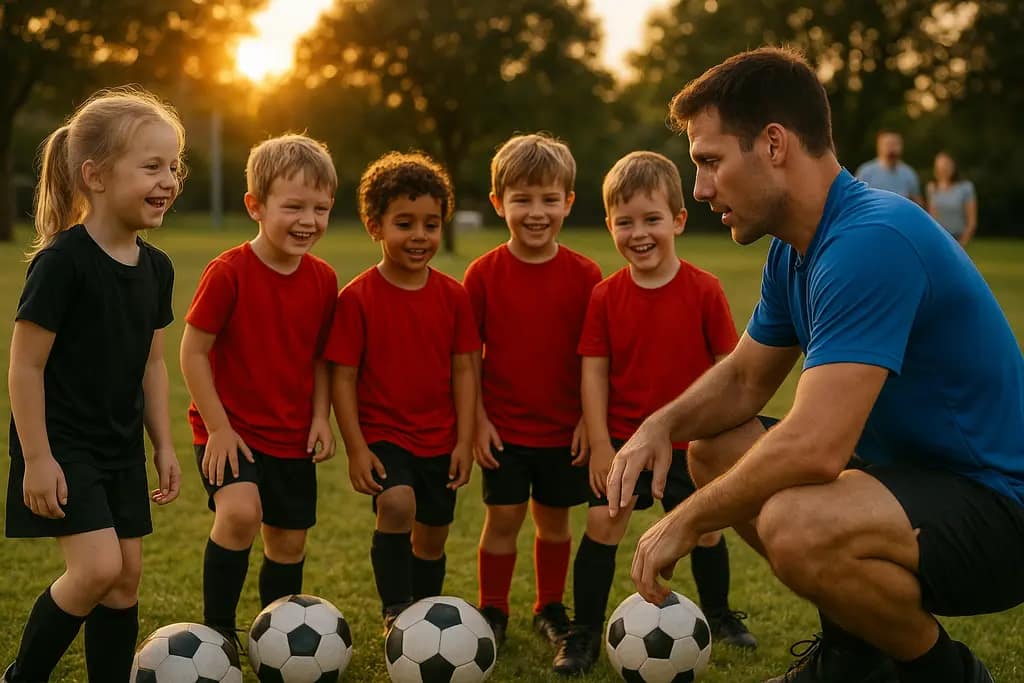
Spokane Grassroots Sports is best understood from the sideline, where parents fold chairs beside a gym wall, coaches teach footwork before a game, and children learn that a season is built one practice at a time. The Spokane sports community has several youth programs aimed at helping young athletes grow through participation, repetition, and adult guidance. The clearest local thread is access: sports offered at early ages, after-school settings, nonprofit support, and coaching education that keeps the next group of players connected to the game.
Why Spokane Grassroots Sports Starts Early
Spokane Grassroots Sports And The First Team Lesson
The strongest youth sports towns rarely begin with trophies. They begin with a child learning where to stand, how to listen, and why a teammate matters. Spokane has that foundation through the Spokane Youth Sports Association, known locally as SYSA. The organization was established in 1966 and serves more than 12,000 participants ages 4 to 18 each year, offering basketball, soccer, flag football, baseball, softball, volleyball, track and field, and cross-country, according to the SYSA organization profile. That range matters because the youngest athlete may not know yet whether the right fit is a hardwood court, a diamond, a soccer field, or a running lane.
From a sports historian’s view, that multi-sport entry point is one of the quiet strengths of local development. In Alabama, the best community football and basketball traditions often started the same way: parks, school gyms, volunteer coaches, and family schedules. Spokane has its own version of that model. A 4-year-old in a first soccer season and a teenager preparing for cross-country may not seem linked, but both are part of the same local pipeline. They learn rules, pace, effort, and accountability before anyone talks seriously about varsity rosters.
Access Before Specialization
Early access also gives families room to choose. A child can try basketball one season and baseball the next without having to act like a professional prospect before middle school. The research notes point to Spokane programs that include clinics, camps, performance training, community outreach, and youth center activities. Specific schedules and enrollment details can change, so families should confirm current offerings with the organizer before planning a season. Still, the pattern is clear: Spokane gives young athletes more than one doorway into organized play.
That is not a small thing. In many communities, the cost of equipment, transportation, and time can decide who participates. Programs tied to school buildings, nonprofit groups, and community partners can reduce some of those barriers. The result is not just better athletes. It is a wider sports culture where more children know what it feels like to belong to a team.
Coaching As The Local Multiplier
Volunteer Coaches Carry The Standard
Every grassroots system depends on adults who can teach without rushing the process. The best youth coach knows the score, but also knows when a player needs a calmer voice, a repeated drill, or a role that builds confidence. Spokane Grassroots Sports depends on that kind of teaching. Coaches working with young athletes are not only preparing players for the next game. They are shaping habits that can last into high school: arriving on time, respecting officials, handling mistakes, and accepting instruction.
That work is easy to overlook because it does not always produce a headline. A coach correcting a throwing motion in February or teaching a fifth-grader how to move without the ball may not draw a crowd. Yet those moments decide whether young players enjoy the sport enough to return. The community benefit grows when coaches share a common language around fundamentals and sportsmanship. A good clinic, a well-run practice, or a patient drill plan can ripple through an entire league.
After-School Sports Build Routine
The research notes also identify SYSA’s partnership with Communities in Schools for after-school sports at Lidgerwood and Logan schools during the 2024-2025 academic year, with basketball, pickleball, and soccer listed for K-5 students. That kind of structure fits an important need in youth development. After-school programs give children a safe activity window, a reason to move, and a chance to learn from adults outside the regular classroom day.
Basketball and soccer have long been friendly entry points because they require simple concepts at the start: spacing, passing, balance, and effort. Pickleball, newer in many youth settings, can also teach hand-eye coordination and court awareness without the heavy physical demands that sometimes discourage beginners. Put together, those activities help young children build confidence before competition becomes more serious.
The Baseball And Softball Thread In Spokane Grassroots Sports
Basepaths, Coaches, And Local Diamonds
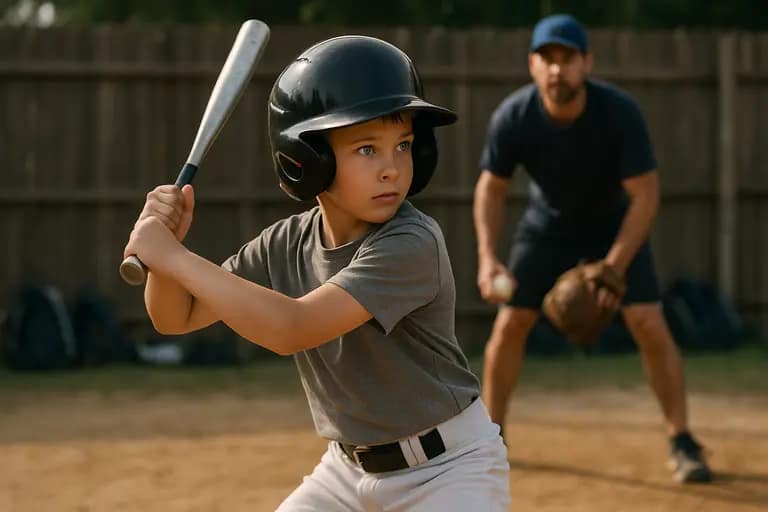
Baseball and softball hold a special place in the Spokane development story because the sport naturally connects youth teams, summer schedules, and family traditions. Basepaths and Beyond works with Spokane Indians Youth Baseball and Softball and HumNow Sports to strengthen youth baseball and softball, and in 2026 it held its first youth coaches clinic with more than 60 coaches attending across three weekends, according to Basepaths and Beyond. For any local sports community, a coaches clinic is more than a meeting. It is a way to pass down teaching methods, safety habits, practice planning, and expectations for how the game should be taught.
That clinic detail says something valuable about Spokane’s baseball and softball structure. Young players benefit when the adults around them are also learning. A coach who hears new ideas about throwing progressions, infield footwork, or practice organization can take those lessons back to a team of 10 or 12 children. Multiply that by dozens of coaches, and the local effect can be far greater than one weekend on a calendar.
Why The Spokane Indians Connection Matters
The Spokane Indians name also gives the youth game a local anchor. A child wearing a youth baseball uniform in Spokane can see a higher level of the same sport nearby, which helps connect imagination with daily practice. For readers tracking how the professional club’s identity fits into civic pride, our coverage of Spokane Indians success offers a related view of how baseball can sit at the center of a city’s sports identity.
Spokane Grassroots Sports gains strength from those visible connections. The goal is not for every child to reach a professional clubhouse. The goal is for the youngest players to see that local sports have a ladder of belonging: youth practice, school teams, summer leagues, community events, and a pro club that gives the sport a public stage. That ladder keeps baseball and softball from feeling isolated. It makes the games part of Spokane’s shared calendar.
Why Spokane Grassroots Sports Belongs To Families
Parents Shape The Season Too
No youth sports system works without families. Parents and guardians handle rides, registration, uniforms, meals, sideline support, and the emotional work that follows a tough loss or a nervous first practice. In a city with many youth offerings, the family role becomes even more important. Adults have to weigh age level, cost, location, school schedules, and the child’s own interest. The best fit is not always the most intense program. Often, it is the one where a young athlete feels safe enough to improve.
That family-centered view keeps the conversation honest. Development is not only speed training, shooting form, batting reps, or conditioning. It is also rest, encouragement, consistent attendance, and the ability to enjoy a sport without feeling trapped by it. Spokane’s variety of programs gives families a chance to build a sports path that matches the child rather than forcing every child into the same mold.
The Local Measure Of Success
The local measure of success should be broader than wins. A healthy youth sports community produces players who keep participating, coaches who keep teaching, and families who feel welcome on the sideline. Some athletes will chase varsity roles, college opportunities, or higher competition. Others will carry the lessons into school, friendships, and adult life. Both outcomes matter.
Spokane Grassroots Sports stands on that practical idea. The community has long-running youth participation through SYSA, baseball and softball support through Basepaths and Beyond, and research notes that point to basketball clinics, multi-sport camps, performance training, and recreational youth programs across the city. The details may vary by season, but the purpose remains steady: give young athletes a place to begin, a coach who can teach, and a community that treats youth sports as part of local life.