

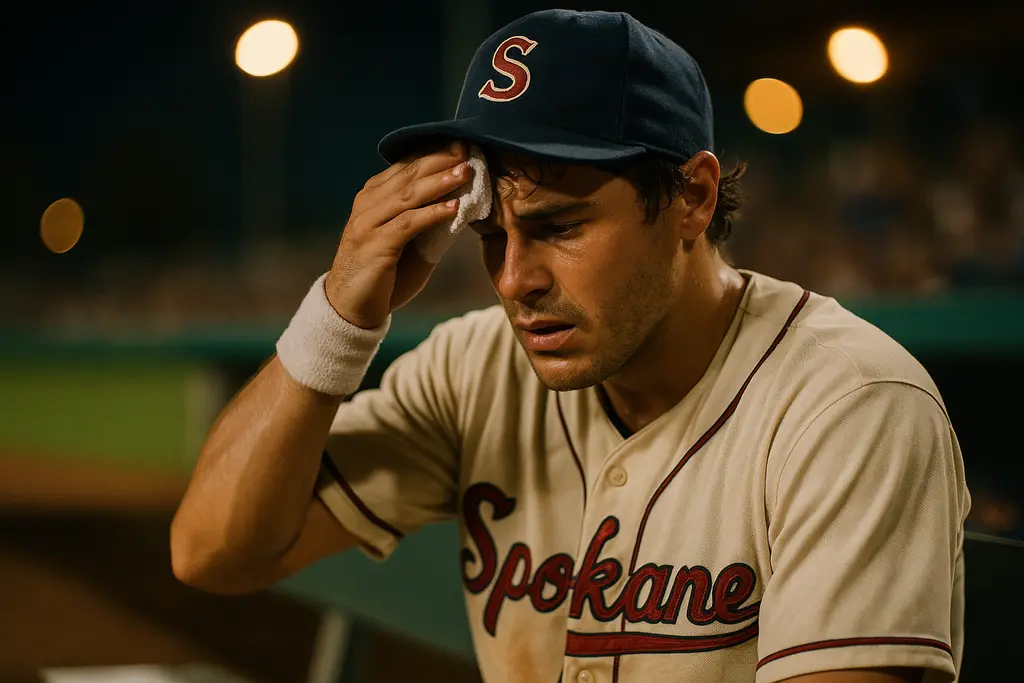
The Spokane Indians standings at the 2026 All-Star break do not support the idea that Spokane led the Northwest League at that point. The verified record available for Spokane as of Aug. 13, 2026, shows 46 wins and 51 losses, placing the Indians fourth in the league, according to The Baseball Cube team page. That correction matters because the real local story is not a first-place celebration. It is about a club with uneven results, real development value, and a fan base at Avista Stadium still measuring how close Spokane is to the pace of the league’s leaders.
Spokane Indians standings And The Break Reality
Why Spokane Indians standings Matter Locally
For Spokane, standings are never just a line of wins and losses. They help define summer baseball conversations across the city, from family nights at Avista Stadium to the way local fans judge progress within the Colorado Rockies’ minor league system. A first-place claim carries weight in a league with short series swings and tight regional travel. If the claim is not supported, the correction deserves to be made clearly and respectfully.
The Spokane Indians standings show a team trying to stay relevant rather than controlling the Northwest League race. That does not drain meaning from the season. In minor league baseball, the race is measured through player growth, late-game response, roster stability, pitching workloads, and how a club performs after schedule pauses. Spokane’s placement creates a different kind of championship conversation: not whether the Indians were leading, but whether they had enough time and depth to climb.
What The Record Says
The record listed for Spokane, 46-51, places the Indians below the top tier of the Northwest League. That standing fits the broader picture of an inconsistent club. The team has shown enough offense to produce memorable nights, but the win-loss mark reflects the cost of uneven series play. For a local audience, that distinction is vital. A team can still give its city meaningful baseball without being in first place at the break.
The 2026 season followed a 2025 campaign in which Spokane finished 58-74. That prior record gives context to the way fans may view any climb in 2026. The standard at Avista Stadium is not built only on one half-season. It is shaped by whether young players sharpen their games, whether the parent club can trust the development setting, and whether Spokane can restore itself as a harder stop for visiting Northwest League opponents.
How Everett Reset The Northwest League Race
The First Game Back From The Break
The clearest post-break signal came from Everett, not Spokane. The AquaSox defeated the Indians 11-3 on July 17, 2026, in the first game back from the MLB All-Star break, and that result tied Everett for first place in the Northwest League, as reported by MiLB’s Everett coverage. That game is the kind of result that can shift how a division race is framed, especially when it comes right after several days away from competition.
For Spokane, an 11-3 loss in that slot carries a sharper edge than a routine midweek defeat. The All-Star break gives clubs a natural reset point. Pitching plans are refreshed, hitters get a pause from daily at-bats, and coaching staffs can set a tone for the next segment of the season. When Everett used that moment to move into a share of first, Spokane was pushed into a clearer chase position.
What A First-Place Tie Says About The League
Everett’s move into a tie for first also shows how thin the margin can be in the Northwest League. One series can shift public perception. One rough inning can turn a close contest into a lopsided score. For Spokane, that means the gap in the standings is not just mathematical; it is practical. The Indians have to stack clean innings, limit damage, and convert offensive chances before the standings can change in their favor.
The Spokane Indians standings after the break should be read against that competitive pressure. A fourth-place team is not out of the local conversation, but it cannot afford long stretches without series wins. The Northwest League schedule can reward a club that responds quickly, yet it can also punish missed opportunities because opponents are familiar and repeated matchups expose weaknesses.
Roster Signals From Spokane’s Season
Tom Sutaris And The Development Lens
Manager Tom Sutaris is listed as leading the 2026 Spokane club. In the minor leagues, that role carries a different public measure than a major league manager’s job. Results matter, but the season also asks whether players are improving under daily instruction. That balance is part of why a standings correction should not turn into a dismissal of the team’s work. The club can be outside first and still be building players with value for the Rockies’ system.
Spokane’s affiliation with the Colorado Rockies adds another layer for local fans. Avista Stadium is not just hosting independent summer entertainment; it is part of a professional player-development route. The club’s record matters to Spokane pride, but the roster’s growth matters to the organization. That is why a fourth-place standing can still produce meaningful baseball if the players are adjusting, competing, and learning how to handle pressure after the break.
Offense, Pitching, And Inconsistent Results
The research record for Spokane’s 2026 season includes team batting marks of a .247 average, 99 home runs, and 428 RBIs over 96 games. Those numbers suggest a lineup with enough power to change games. The problem, reflected in the record, is that offense alone has not placed Spokane at the top of the league. In short-season rhythm, clubs often need timely bullpen work and cleaner run prevention to turn loud offensive nights into steady movement up the table.
Pitcher Nathan Blasick is listed in the research as a standout with a 10-3 record and a 2.76 ERA over 49 innings. Outfielder Tommy Hopfe is also noted for his offensive contribution, including 11 home runs as of July 12, 2026. Those individual markers help explain why Spokane remained worth watching even without a first-place position. Fans often connect with seasons through players who give the club an identity, and those performances can keep energy high through uneven weeks.
Why Avista Stadium Still Shapes The Race

Home Dates And Community Rhythm
The Spokane schedule research lists a 132-game season with 66 home games across 12 homestands. That structure matters for local sports culture. Avista Stadium gives the club a repeated chance to reset in front of its own crowd, and those home windows can shape how fans remember a season. A team outside first place can still make a summer feel significant if it wins homestands, develops recognizable players, and gives families a reason to return.
The All-Star break ran from July 13 to July 16 in the research provided. For Spokane, that placement in the calendar split the season at a point when the team still had time to influence its place in the league. The key was not a claim of being on top. The key was whether the club could use the break to sharpen its play. That is where the local stakes sit: a city-backed team trying to turn uneven form into a late-season push.
Why The Local Standard Is Higher Than Fourth
Spokane has a baseball audience that understands the difference between promotion-track player development and scoreboard disappointment. Fans can respect the long view while still expecting sharper results. That is why the corrected Spokane Indians standings carry meaning. They show the work still needed, but they also frame the rest of the season in honest terms.
Fourth place is not the same as irrelevance. It means the Indians needed stronger series results, more reliable run prevention, and steadier play against clubs fighting for the same postseason space. The Northwest League can be unforgiving because opponents see each other often. Weak spots do not stay hidden long. Spokane’s task after the break was to make the adjustments visible in the standings, not just in individual stat lines.
What This Means For Spokane Indians standings
A Championship Angle Built On Truth
A championship category should be careful with language. Saying Spokane led the Northwest League at the All-Star break would give local readers the wrong foundation. The more accurate reading is that the Indians were chasing, while Everett used the first game after the break to tie for first. That difference changes the story from celebration to challenge.
The Spokane Indians standings still matter because they reveal the pressure points of a local summer season. Spokane had recognizable performers, a meaningful home setting, and a schedule with room for movement. What it did not have, based on the verified record, was the league lead. For Avista Stadium regulars, that honest view is more useful than inflated praise. It respects the team, the league, and the fans who follow every series with a clear eye.