


Chiefs training camp closed on Thursday, August 20, 2026, at Missouri Western State University in St. Joseph, Missouri, ending a camp schedule that showed how the franchise managed public access, season-ticket priority, paid practice days and community-facing events. For a club with a traveling fan base and a strong Missouri footprint, the setup was not just a football calendar. It was a fan-participation plan with clear gates, limits and special dates.
How Chiefs training camp Balanced Public Access
Chiefs training camp Ticket Windows
The camp opened with a roster-report period before the public saw a practice field. Rookies and quarterbacks reported on Friday, July 24, 2026, the full team reported on Tuesday, July 28, and practice began on Wednesday, July 29, with the camp ending on Thursday, August 20, according to KQ2’s local camp report. That first practice day, July 29, was reserved for Season Ticket Members, while the first practice open to the general public took place on Thursday, July 30, as listed in the Chiefs’ official camp announcement.
That order mattered. By placing a Season Ticket Member day before the public opening, the organization gave its most committed account holders a first look while preserving a broad public window for the days that followed. Season Ticket Members received first access to reservations at 10:00 a.m. on Tuesday, June 16, 2026. The general public reservation window opened at 10:00 a.m. on Wednesday, June 17, 2026. That one-day separation created a clear priority system without closing the camp to general fans.
Limits That Shaped Attendance
The reservation rules gave the camp a defined rhythm. Fans could reserve up to six tickets per practice and could reserve tickets for no more than three separate practices, excluding the Season Ticket Member-exclusive and paid practice days. For families, youth coaches and fans traveling from outside St. Joseph, that structure encouraged planning before the first whistle of camp. It also helped spread attendance across the calendar rather than concentrating interest on only one or two high-demand mornings.
Most public practices were free, but three dates carried a $7 admission fee: Saturday, August 1; Friday, August 7; and Saturday, August 8, which was Family Fun Day. The pricing decision created a small paid tier inside a mostly free camp model. It did not turn the event into a closed-door operation. Instead, it marked select dates as higher-demand experiences while leaving several open dates available without an admission charge.
What The Schedule Meant For St. Joseph
Missouri Western As A Football Hub
Missouri Western State University again served as the Chiefs’ camp site, keeping St. Joseph tied to one of the NFL’s most visible preseason traditions. A training camp at a college campus carries a different feel than a regular-season stadium practice. The crowd sits closer to the routine of position drills, special teams work and coaching movement. For local fans, that intimacy has long been part of camp’s appeal: it brings professional football into a college setting and gives the host city a clear role in the team’s August preparation.
The schedule also asked fans to think like campgoers rather than stadium spectators. Parking had to be pre-purchased, with most practice days priced at $8 per vehicle and Season Ticket Member-exclusive days carrying free parking. Bleacher seating was first-come, while hill seating in the north and south end zones gave families and groups another viewing option. Concessions and a Chiefs Pro Shop were available, with a nursing lounge, accessible parking in Lot H and other accommodations noted in the camp materials.
Why Morning Times Mattered
Most practices used a 9:15 a.m. start time, which placed the football work in the morning and gave fans a clear travel pattern into St. Joseph. The final practice on Thursday, August 20, 2026, started earlier at 8:15 a.m. That change was tied to Military Appreciation Day and gave the last public camp date its own identity. For parents, veterans, service members and local volunteers, the early start likely changed the pace of the day, especially for those dealing with parking, seating and morning travel.
Camp schedules are never just lists of dates. They influence who can attend, how long people stay and whether groups can manage the trip. A weekday morning is different from a Saturday morning. A free practice is different from a paid practice. A Season Ticket Member-only day creates a different crowd than a public family date. The 2026 setup made those distinctions plain.
Special Event Days And Fan Connection
Autographs And Position Group Access
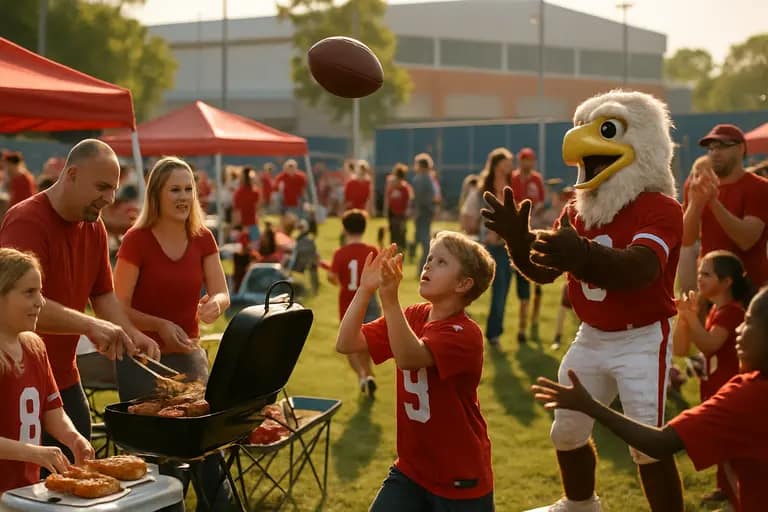
The Chiefs built several special event days into the camp period. Ambassador Day took place on Tuesday, August 4. Family Fun Day followed on Saturday, August 8. Military Appreciation Day closed the schedule on Thursday, August 20. Autograph sessions were also scheduled on many days, often tied to certain position groups or, on select occasions, the whole team. Those details shaped fan participation in a direct way because many families plan camp visits around the chance for a brief player interaction.
In a football sense, those autograph windows sit outside the practice script. In a community sense, they are part of the tradition. Young fans often remember a signed hat or a short exchange long after they forget the exact practice period they watched. That is why the placement of autograph sessions across the schedule matters. It spreads moments of contact across multiple dates and gives more than one crowd a chance to leave with a personal memory.
Family Fun Day And The Public Calendar
Family Fun Day on Saturday, August 8, carried the $7 admission fee, which placed it among the three paid practices. The date still stood out because Saturday access can serve families who cannot manage weekday work and school routines, even in late summer. A camp that wants public participation has to account for time, not just price. The 2026 calendar mixed weekday mornings, Saturday options, free dates, paid dates and member-only dates, creating several paths into the event.
That mix is especially significant in a place like St. Joseph, where camp brings together local residents, traveling Chiefs supporters and visitors who may pair practice with a broader day in town. The event does not carry the scale of a regular-season home game, but it does bring repeated traffic to one area over several weeks. For local businesses and campus operations, the repeated nature of camp can matter as much as any single large crowd.
Chiefs training camp Lessons For Fan Participation
Access Was Broad, But Not Unlimited
The central lesson from the 2026 schedule is that access was broad, but it was not unlimited. The reservation cap of six tickets per practice and three practices per fan helped keep attendance from being controlled by a small group of early claimants. The exclusive dates rewarded Season Ticket Members. The paid dates placed a modest gate on three high-interest practices. The free practices kept the wider public connected to the team’s preseason work.
That balance is not accidental. It reflects the modern challenge of running a popular NFL camp on a college campus: giving fans meaningful proximity while managing crowd size, parking, seating and daily operations. The Chiefs’ plan treated attendance as part of the football operation, not as an afterthought. Every date carried a purpose, from the first member-only practice on July 29 to the first public practice on July 30 and the final Military Appreciation Day on August 20.
For fans who care about the bond between a team and its region, Chiefs training camp in 2026 offered a clear case study. St. Joseph hosted more than practices. It hosted a controlled, community-facing football event that asked fans to reserve early, arrive with a plan and take part in one of the sport’s closest preseason traditions.