

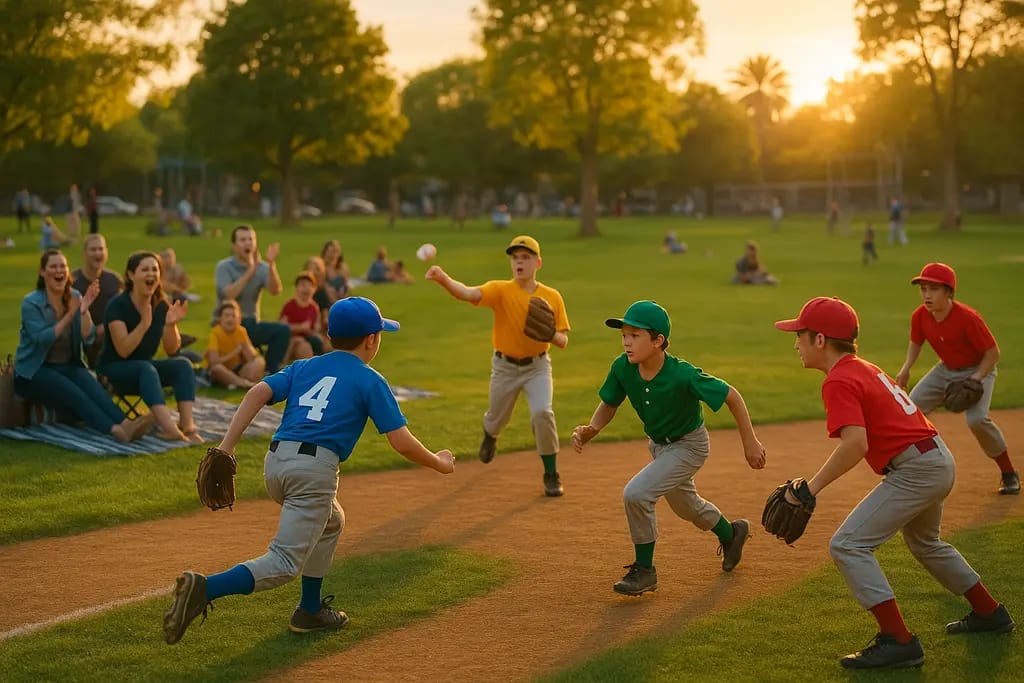
The 2026 Little League World Series, scheduled for August 19–30 in South Williamsport, Pennsylvania, lands at the crossing point of youth development, facility planning, and community identity. For families in Alabama who grew up around park-and-rec ball, Dixie Youth fields, and long weekends at tournament sites, Williamsport is more than a television setting. It is a reminder that young athletes need trained adults, safe venues, and a community willing to treat youth baseball with care.
Little League World Series And Community Reach
Little League World Series Venue Work
South Williamsport carries a special place in the youth baseball calendar because the event brings local volunteers, visiting families, coaches, media, and young players into one shared setting. The supplied research notes that the Williamsport event alone costs about $7.5 million to organize, a figure reported in coverage of the facility project by Youth Sports Business Report. That number should not be confused with local revenue, but it does show the scale of staffing, operations, safety work, and tournament support needed to stage youth baseball at this level.
The local impact begins well before the first pitch. A tournament of this size asks a host community to think about traffic flow, lodging, concessions, field access, family areas, and the pace of daily games. In Alabama terms, that is familiar. From the Gulf Coast to the Tennessee Valley, any community that has hosted a packed youth tournament knows that the field is only one piece of the weekend. Parents need clear information, volunteers need direction, and players need a setting that lets them play without the adults making the day harder than it has to be.
Community Work Behind The Broadcast
The Little League World Series carries a national name, yet its strength comes from local habits: parents taking shifts, coaches teaching base-running, field crews getting dirt ready after rain, and volunteers greeting families who have traveled a long way. Research supplied for this story also points to volunteer recognition tied to the 2026 event. The larger point is steady and plain: youth sports survive because adults keep showing up in roles that rarely make a box score.
That matters in Alabama, where baseball communities often measure seasons in carpools, concession-stand nights, and spring calendars crowded by school ball, travel ball, and church schedules. Williamsport may be far from Birmingham, Mobile, Huntsville, or Montgomery, but the social structure is recognizable. A major youth event depends on trust. Families trust the field. Coaches trust the rules. Players trust the adults around them to make the day safe and fair.
Facility Work And Game-Day Confidence
Lamade Stadium Upgrades
Howard J. Lamade Stadium received 2026 upgrades that included a new roof, protective netting, and a modernized sign behind home plate, according to Little League’s official report on the Lamade Stadium upgrades. Those are not cosmetic details alone. A roof affects comfort and event operations. Netting speaks to fan safety. The home-plate backdrop shapes how the ballpark looks for players, families, and viewers.
Facility care is one of the clearest signs that an organization respects the athletes. Young players notice whether the grounds are ready. Parents notice whether sightlines and safety features have been considered. Coaches notice whether the venue allows them to keep the focus on preparation, not problem-solving. In a tournament setting, better facilities can calm the day. That does not guarantee cleaner defense or better at-bats, but it can create a setting where young athletes are not distracted by avoidable issues.
What Ballparks Teach Young Players
A well-kept ballpark teaches discipline without a speech. Players learn to treat the dugout, field, and opponent with respect because the venue itself sets that tone. That lesson travels well to Alabama communities. Whether a child is playing in a small-town park or in a regional tournament site, the condition of the field sends a message about expectations.
For coaches, facility standards also affect instruction. Clear protective features, organized entrances, and dependable game-day routines help coaches spend more time on baseball. That means more attention to cutoffs, pitch selection, communication, and poise after an error. The World Series stage is rare, but the habits it rewards are common to every youth field in the country.
Youth Development Beyond The Scoreboard
Volunteer Training And Player Support
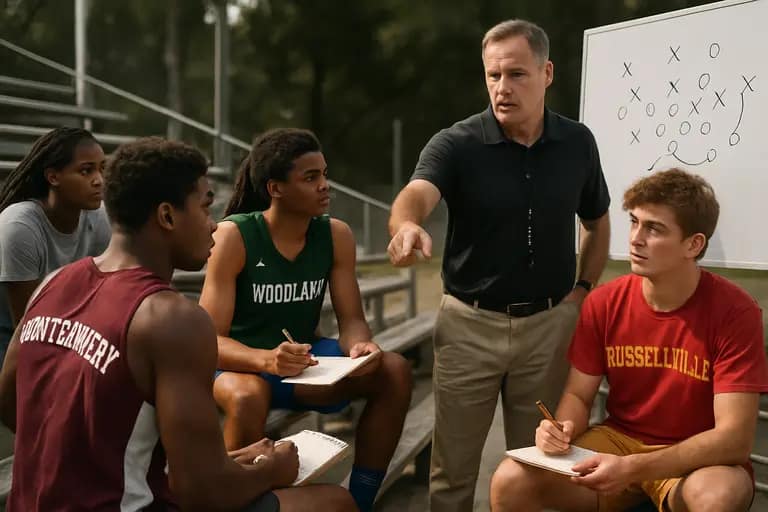
Youth development is often discussed through talent, but the adult structure around the child matters just as much. The supplied research identifies volunteer training as a 2026 priority connected to Little League support. That focus fits the needs of the sport. Coaches at the youth level are often part teacher, part organizer, part calming voice, and part guardian of sportsmanship.
Training helps adults handle more than lineup cards. It can shape how coaches speak after strikeouts, how they manage playing time, how they respond to pressure from parents, and how they frame winning for children who are still growing into the game. In Alabama, the best youth coaches have long understood that player development is not limited to arm strength or bat speed. It includes confidence, accountability, patience, and the ability to be a good teammate.
International Exposure And Team Growth
The 2026 field also carries an international youth baseball angle, with research noting direct-entry attention for Curaçao and Panama. That kind of exposure gives young players a view of the sport beyond their own region. A shortstop from one baseball culture may see a different tempo, a different dugout style, or a different approach to contact hitting. Those lessons can stay with a child long after the tournament ends.
For Alabama players watching from home, the value is not just seeing who wins. It is seeing how teams communicate, how pitchers control emotion, and how hitters compete against unfamiliar styles. In that sense, a global youth event becomes a teaching tool. Coaches can point to a relay throw, a bunt defense, or a pitcher’s body language and turn a televised game into a practice-field lesson.
Lessons For Alabama Baseball Communities
Local Fields, Shared Standards
Alabama youth baseball has its own rhythms: early spring weather, summer heat, packed tournament weekends, and deep family involvement. The Williamsport model offers a useful mirror. It shows that the best youth events are built through planning, facility care, volunteer strength, and respect for the child wearing the uniform.
Local leagues do not need a national broadcast to adopt those standards. They can start with practical questions:
- Are volunteers trained before the season begins?
- Are safety features and field conditions reviewed before tournament play?
- Do families receive clear schedules, parking guidance, and site expectations?
- Are coaches encouraged to teach sportsmanship as firmly as fundamentals?
Those questions are not glamorous, but they shape the experience. A child’s memory of baseball often includes the feel of the ballpark, the coach’s voice after a hard inning, and the way adults handled pressure. That is why the community impact of youth baseball should be measured in more than hotel rooms and concession sales.
Why The Youth Pipeline Needs Patience
Player development is never one straight line. Some children grow early. Others need time. Some learn through travel competition, while others grow best in a smaller local league. A major event can inspire young players, but the daily work at home determines whether that inspiration becomes lasting growth.
For Alabama coaches and parents, the Williamsport lesson is balance. Celebrate the big stage, but protect the local one. Teach ambition, but leave room for joy. Push fundamentals, but remember that children stay in sports longer when they feel seen, safe, and supported.
Why Little League World Series Planning Matters
The clearest story around the 2026 event is that the Little League World Series is not just a tournament bracket. It is a community operation and a youth development platform. The Lamade Stadium work, the scale of the Williamsport event, and the attention placed on volunteers all point to the same truth: youth baseball depends on preparation long before a player steps into the box.
That is the part Alabama sports communities can take home. Championships are memorable, but the deeper legacy is built in the habits around the game. Safe facilities, trained adults, organized events, and patient coaching give young athletes a better chance to grow. Williamsport will provide the stage in 2026. The lesson for every local league is to make its own field worthy of the children who play there.