

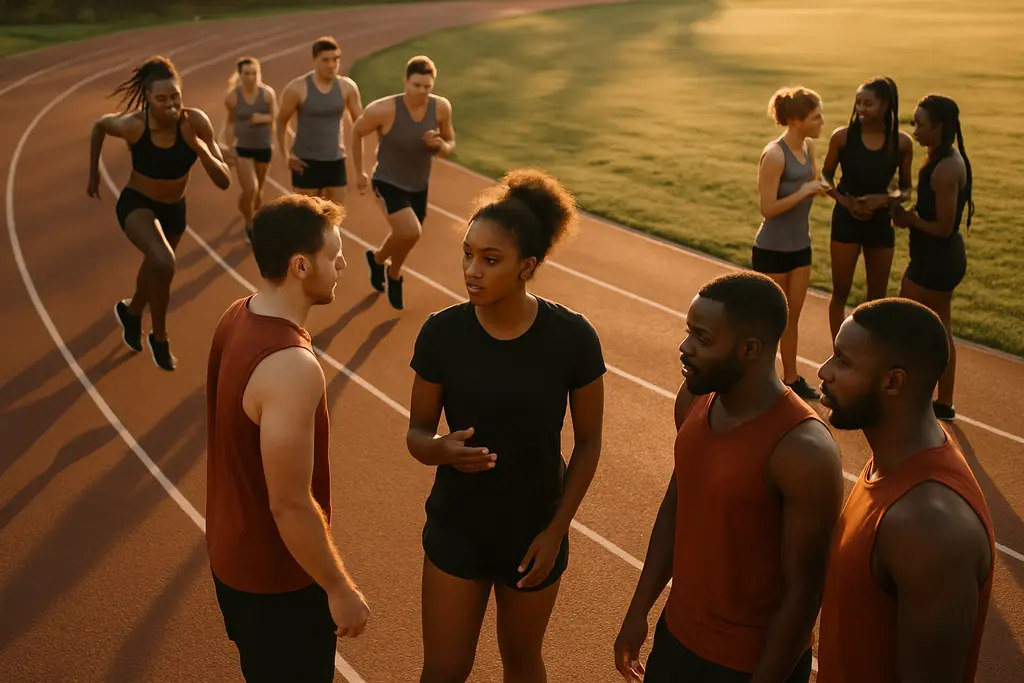
Morehouse 360 carried a clear message on August 18, 2026: the work of developing a Maroon Tiger does not stop at the practice floor, weight room or film session. Morehouse College Athletics held its mandatory student-athlete transition and development seminar, The Launch Pad, from 9 a.m. to noon at Forbes Arena, with financial literacy, mental health and wellness, professional conduct, and career longevity listed as core pillars in the athletic department’s announcement Morehouse athletics announcement.
For those of us who follow Southern college sports through the lens of community, tradition and player growth, the timing stood out. Morehouse had just come through a 2025-26 athletic year marked in the research record by four SIAC championships, a return to the NCAA Division II Tournament, and breakthrough seasons across several programs. In that setting, a structured development seminar was not a side note. It fit the life of an athletic department trying to build habits that can travel with athletes long after the final horn.
How Morehouse 360 Framed Athlete Development
Why The Setting Mattered
Forbes Arena gave the seminar a fitting home. It is a basketball venue, but on August 18 it served as a classroom for every sport represented in the department. That matters because athletes tend to understand lessons best when those lessons are connected to their team environment. A talk about budgets, conduct or wellness can feel distant in a generic meeting room. Inside an arena, the message lands closer to the daily rhythm of competition.
The mandatory format also signaled that the school viewed development as part of athletic participation, not an optional add-on. In college sports, especially at the Division II and HBCU levels, athletes often balance classwork, travel, family expectations, campus leadership and competitive pressure. A seminar built around transition gives incoming and returning athletes a shared starting point before schedules tighten.
Morehouse 360 And Financial Literacy
The financial literacy piece in Morehouse 360 addressed budgeting, financial planning and responsibilities tied to Name, Image and Likeness income. That combination is practical. NIL has created new opportunities for college athletes, but opportunity without a plan can create strain. The useful lesson is not simply how to receive money. It is how to understand timing, taxes, expenses, family requests, saving, contracts and the short career window that shapes every athlete’s choices.
SCOUT’s work around athlete financial education was part of the wider context. The company reported in mid-August 2026 that it had provided financial education to more than 2,500 student-athletes nationwide, including through involvement with Morehouse’s program SCOUT athlete education report. That number gives the Morehouse event a broader connection, but the local value remains the same: Maroon Tigers athletes received instruction aimed at decisions they may face during school and after graduation.
The Athlete Development Angle
Daily Habits Before Big Decisions
The best athlete development programs usually work in small details before they show up in big moments. Budgeting is not glamorous, but it teaches discipline. Career planning may not feel urgent to a freshman, but it gives shape to the next four years. Professional conduct can sound formal until a player faces a public mistake, a social media issue or a difficult interaction away from campus.
Morehouse 360 treated those issues as connected. That is the right instinct. A young athlete who understands money but ignores wellness is still at risk. A player who performs well in class but does not grasp conduct expectations can still damage a season. A student who earns an NIL opportunity but lacks planning can lose the long-term benefit. Development is strongest when the department does not separate the athlete from the student, the teammate or the future professional.
Policy, Wellness And Accountability
The research record also notes sessions involving gambling policy, interactions with law enforcement, social media conduct and drug policy. Those topics are not just compliance boxes. They are part of protecting locker rooms and keeping athletes available for competition. Coaches often talk about availability as an athletic trait, and that idea applies off the court as well. A missed assignment, poor post, financial misunderstanding or policy violation can affect a roster just as surely as a late-game turnover.
For readers who want a shorter companion piece on the same development model, our earlier seminar coverage also tracked how the program connected money, wellness, conduct and career planning.
Academic Standards Behind The Program
Classroom Results Set The Tone
The seminar also sat beside a strong academic profile from the 2025-26 athletic year. The research notes show Morehouse student-athletes recorded a departmental GPA of 3.13 in Fall 2025 and 3.04 in Spring 2026, with a combined year GPA of 3.09. Every athletic program reached at least a 3.0 team GPA in both semesters.
Those numbers matter in the same way a winning streak matters. They tell recruits, families and alumni that standards are being carried across the department. A team GPA is not a box score, but it reflects preparation, attendance, time management and peer accountability. Those are the same qualities coaches ask for during road trips, late-season practices and postseason play.
Recognition Across The Department
The academic recognition extended to the SIAC Commissioner’s All-Academic Team, where 93 Morehouse student-athletes earned 127 selections in the research record. The honor requires a cumulative GPA of 3.4 or higher. Five Maroon Tigers were listed with perfect 4.00 cumulative GPAs: Warren Trawick in cross country, Thane Martin Jr. in football, Tyler Stackhouse in golf, and baseball players James Wyllie and Gabriel Westry.
That spread across sports is important. It keeps the story from belonging to one locker room. Cross country, football, golf and baseball all appeared in the highest academic group, which suggests that department-wide messaging had room to take root across different schedules and team cultures.
From SIAC Momentum To Community Identity
Winning Seasons Create A Bigger Platform
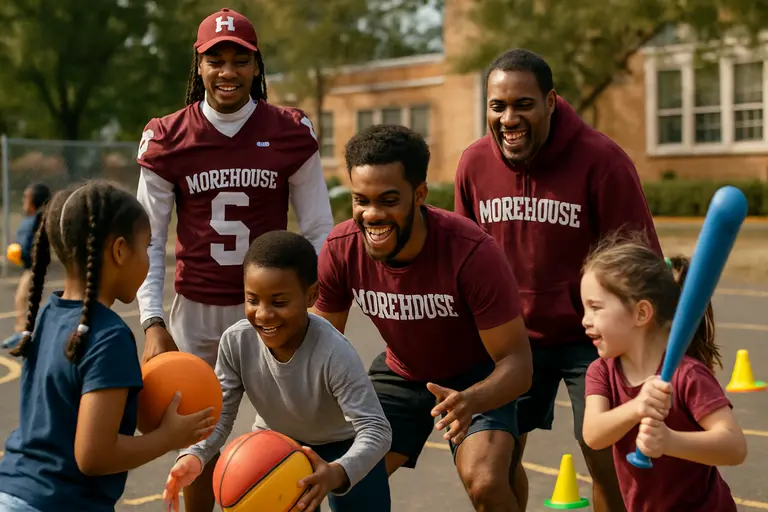
The 2025-26 year gave Morehouse a stronger platform for a development seminar. The research notes list SIAC championships in cross country, indoor track and field, outdoor track and field, and men’s basketball, along with a return to the NCAA Division II Tournament. Baseball, golf and football were also described as having breakthrough seasons.
In HBCU athletics, success often carries a community weight that goes beyond record books. Alumni follow it. Families plan around it. Students build campus pride through it. When a department wins, its public voice grows louder. That makes it even more necessary to prepare athletes for the responsibilities that come with being seen.
A Southern College Sports Lesson
From an Alabama sports historian’s chair, the pattern feels familiar across the region. The best college programs in the South have always been shaped by more than Saturday results or winter gym crowds. They are shaped by parents in the stands, former players on the baseline, local schools watching recruiting paths and young athletes learning what college sport demands. Morehouse’s approach fits that tradition while answering newer questions around NIL and public exposure.
The Maroon Tigers’ model also respects the reality of Division II athletics. Athletes at this level are not insulated from everyday campus life. They often move directly between class, practice, study halls, travel and community events. A development program has to meet that pace rather than pretend the athlete exists apart from it.
Why Morehouse 360 Matters Beyond Forbes Arena
Morehouse 360 mattered because it treated financial literacy as part of competitive readiness. A player who can manage money, understand conduct expectations, care for mental wellness and think about career longevity is better positioned to stay steady when pressure arrives. That steadiness can help a team just as much as a conditioning program or scouting report.
The lasting measure will not be a single seminar date. It will be whether athletes carry the lessons into road trips, campus leadership, NIL conversations, graduation planning and life after sports. Morehouse gave the program a clear frame on August 18, 2026. For the Maroon Tigers, the stronger story is that athlete development was presented as a department standard, not a slogan.