

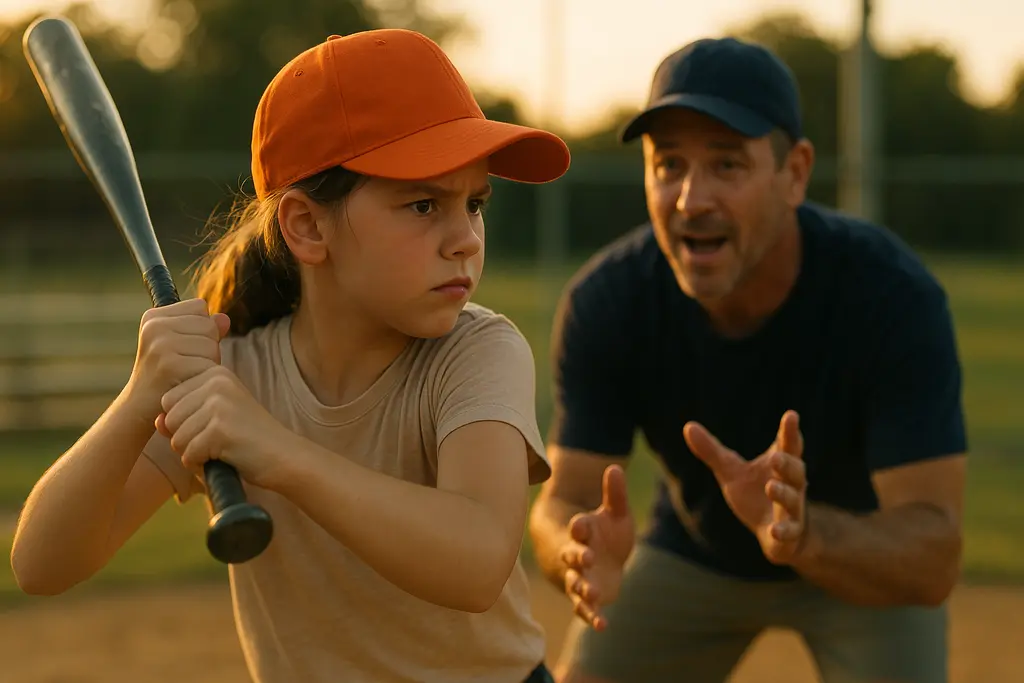
The Women’s Baseball World Cup is more than an international tournament date on the calendar. For local communities, including the baseball towns and school districts across Alabama that have long understood how youth sports can bring families together, it offers a practical model for developing future players. The event points coaches, parents, and recreation leaders toward a larger question: how do young girls who love baseball find instruction, competition, and visible examples without leaving the sport too early?
Women’s Baseball World Cup And The Local Pipeline
Women’s Baseball World Cup Lessons For Recruits
The recruiting angle starts well before a player is old enough for national team consideration. It begins with a coach willing to keep a girl on the baseball field, a family willing to travel for better competition when needed, and a community willing to treat girls baseball as a serious athletic path. The Women’s Baseball World Cup gives those local choices a destination. It shows young players that the sport has international stakes and that skill development can lead to something larger than a weekend bracket.
That message matters in places where baseball tradition runs deep. In Alabama, the spring and summer sports calendar is often packed with youth tournaments, high school playoffs, travel ball, and family weekends built around the diamond. A girl who wants to keep playing baseball needs the same kind of everyday support that boys receive: reps at shortstop, bullpen time, cage work, strength training, and patient coaching. Without that base, national events can feel distant. With it, they become reachable markers.
Why Visibility Starts At Home
Visibility does not begin with a national broadcast. It begins when younger players see an older girl take ground balls, catch behind the plate, or pitch with command in a local setting. The available research on the 2026 event points to a major stage in Rockford, Illinois, with the International Women’s Baseball Center connected to the event and to local development efforts. Even for families far from Illinois, the lesson is clear: facilities, clinics, and community buy-in can help turn interest into a player pathway.
Local sports identity has always been built this way. A town supports the athletes it can see. A school coach notices a player because she keeps showing up. A recreation department adjusts because parents ask for more options. The international stage can inspire, but community fields are where the first habits are formed.
Rockford’s Stage And Community Sports Planning
A Tournament City With A Development Mission
The 2026 event is set for Rockford, Illinois, from July 22-26, according to the research supplied for this assignment. That placement carries historical weight because the event is identified as the first time Illinois will host it and only the second time it will be held in the United States. For local planners, that matters less as a tourism headline and more as a reminder that hosting is tied to long-term sports infrastructure.
The research also describes investment around a six-acre headquarters campus adjacent to Beyer Stadium. Those details point to a development model worth studying. Communities do not grow talent through one tournament alone. They do it through places where players can gather, learn, and return. A field complex, a training site, or a partner organization gives coaches a meeting point and gives families a reason to stay connected to the sport.
Travel, Volunteers, And Youth Access
Any community that has hosted youth tournaments knows the work behind the scenes: parking plans, volunteer schedules, hotel rooms, food service, field maintenance, and clear communication with families. Those details may not show up in a box score, but they shape whether young players feel welcomed. The same is true at the international level. A strong event can help a city prove that women’s sports deserve planning equal to any major amateur competition.
That is why local baseball leaders should watch the Rockford example closely. Alabama towns that host weekend youth events or postseason baseball can take notes on access and hospitality. Families remember whether fields are safe, whether schedules are clear, and whether young athletes are treated with respect. Those habits shape the future player pool. For a related look at how youth tournaments can shape community life, our coverage of Little League community impact fits the same conversation about sports, families, and local pride.
What Team USA Shows Young Players
Depth Across States
The research notes that USA Baseball announced a 20-woman roster for the 2026 Women’s National Team, with 14 returning players and six newcomers from 13 states. That is the kind of roster makeup that should catch the attention of local coaches. A national team is not built from one neighborhood or one training center. It is built from scattered communities where players had enough opportunity to keep improving.
For recruits, that matters. A young player does not need to come from the largest city to learn the game well. She needs instruction, competition, and honest evaluation. She needs chances to play multiple positions, face better pitching, and recover from failure without being pushed away from baseball. The Women’s Baseball World Cup can help coaches frame those goals in a concrete way: the path is difficult, but it exists.
Pitching And Defense As Teaching Points
Team USA’s recent group-stage performance gives local instructors useful teaching material. The U.S. went 5-0 in group-stage play, and that run included a 34-0 combined no-hitter against Hong Kong, as reported by MLB.com. Scores that lopsided can dominate the headline, but the deeper lesson for young players is about execution. A combined no-hitter requires command, catcher work, defensive readiness, and focus from the full lineup.
Those same habits can be taught on a local field. Pitchers can learn to throw strikes before chasing velocity. Infielders can learn footwork before highlight plays. Catchers can learn to manage tempo. Coaches can use national-team examples to remind players that elite baseball is often built from simple skills done repeatedly under pressure.
Professional Models And Player Development
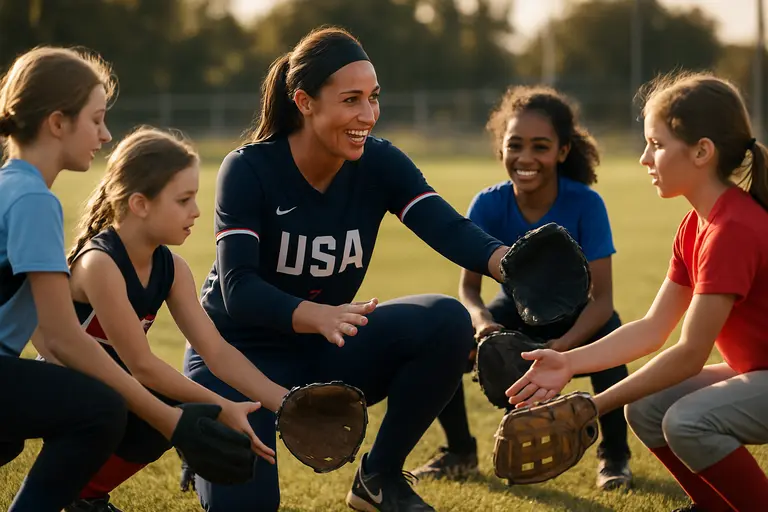
Ayami Sato And The Standard At The Top
International baseball also gives young players names to study. Ayami Sato of Japan has been profiled as a six-time world champion and three-time World Cup MVP, with an American debut tied to the new Women’s Professional Baseball League, according to The Guardian. Her career shows what high-level pitching, durability, and international experience can look like over time.
For Alabama families, the value is not in pretending every young athlete will become a world champion. The value is in giving players serious models. Boys have long grown up studying major leaguers by position and style. Girls who play baseball deserve the same reference points. Seeing an elite pitcher from Japan preparing for an American professional opportunity makes the sport feel less isolated and more connected.
From Inspiration To Daily Work
The danger with any major event is treating inspiration as enough. It is not. A poster, a televised game, or a tournament trip can spark interest, but player development still depends on daily work. Local coaches can turn the Women’s Baseball World Cup into a teaching moment by building practice plans around real baseball skills: throwing accuracy, base running decisions, plate discipline, defensive communication, and mental recovery after mistakes.
Parents have a part as well. They can ask whether their daughters have access to baseball instruction, not just a general athletic outlet. They can support teams that welcome girls without making them feel like guests. They can help recreation boards understand that girls baseball is not a novelty. It is a sport with international competition, national teams, and growing professional visibility.
Why Women’s Baseball Talent Matters In Local Communities
Practical Steps For Coaches And Families
As the Women’s Baseball World Cup approaches, the best local response is not to wait for a finished national model. Communities can act now in small, useful ways. Those steps do not require grand promises. They require attention, consistency, and a willingness to give young players a fair baseball environment.
- Offer girls the chance to stay in baseball if that is the sport they choose.
- Give pitchers, catchers, and infielders position-specific coaching at early ages.
- Use national-team examples to teach preparation, not just outcomes.
- Build event-day habits that make families feel welcome at local fields.
- Connect younger players with older athletes who can model confidence and commitment.
That is how a global event reaches a neighborhood field. The tournament in Rockford will draw attention because it carries national flags, elite players, and a major stage. Its longer value may come from the conversations it starts back home. If local baseball communities take the cue, more girls will see a future in the sport before they are asked to give it up. That is the kind of legacy worth building, one practice and one player at a time.