

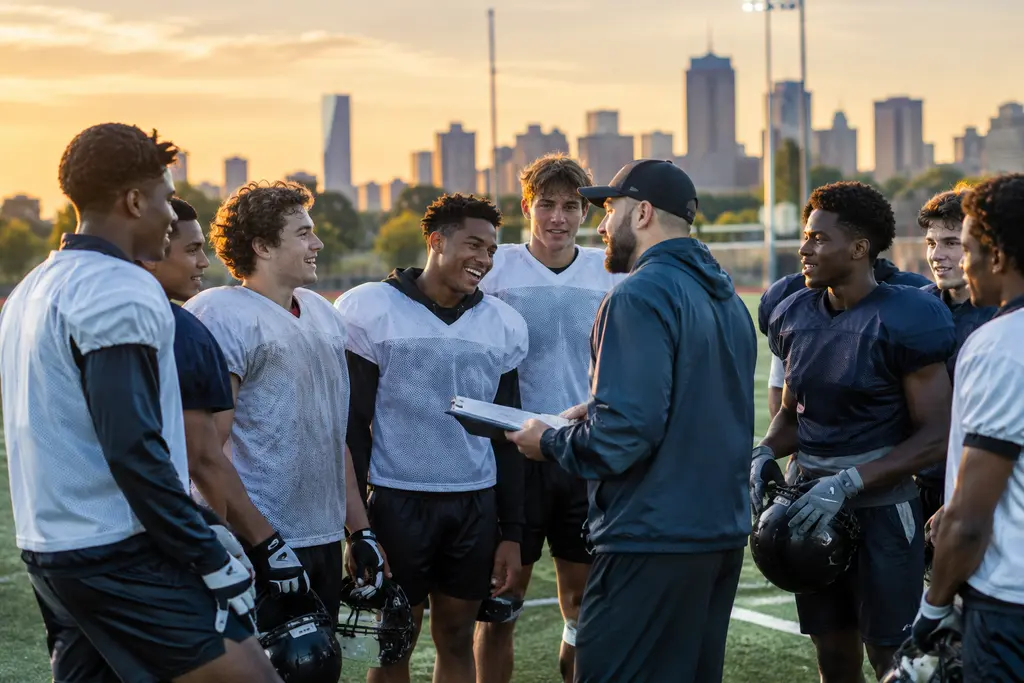
Alabama recruiting events carry real weight for high school athletes and their families because recruiting is never only about a 40-yard time, a highlight clip, or a Friday night box score. As of October 31, 2026, the state’s calendar showed a mix of completed fall outreach and November school visits still ahead, giving local prospects more chances to connect academics, campus fit, and athletic ambition. For Alabama communities, those stops matter because the state’s best players often build trust close to home long before a signing ceremony.
How Alabama Recruiting Events Reach Local Schools
The most useful recruiting work often starts in familiar places: high school gyms, college fair rooms, local auditoriums, and regional events where families can ask direct questions. That approach has long fit Alabama’s sports culture. A player from a small town or a city program may need the same information as a national recruit, but the setting can shape whether that family feels seen.
Admissions Stops Still On The Calendar
The University of Alabama admissions schedule listed several in-state visits after October 31, 2026, including stops that touched Montgomery-area and central Alabama schools. The official UA admissions visit schedule listed the following examples for November 2026:
- Elmore County High School Visit in Eclectic on November 2, 2026, at 12:35 PM.
- Carver High School Visit in Montgomery on November 9, 2026, at 9:00 AM.
- BTW Magnet High School College Fair in Montgomery on November 10, 2026, at 5:30 PM.
Those dates were not football camps, and they should not be treated as on-field evaluations. Still, they help create the framework around a recruit’s decision. Athletes need to understand admissions steps, academic options, scholarship timing, and campus support before they can make a sound college choice.
Home-Region Events Already Held
The Capstone Engineering Society also held home-region recruiting events during fall 2026 in Alabama locations that included Birmingham North and South, Tuscaloosa, Huntsville, and Mobile, with listed dates spanning August through early November 2026 through the Capstone Engineering Society recruiting locations page. As of October 31, 2026, the research notes for those listed fall stops treated them as completed for planning purposes.
That kind of academic outreach can matter to athletes who are weighing more than playing time. A lineman interested in engineering, a softball player considering health sciences, or a basketball prospect thinking about business still has to picture life after practice. Alabama recruiting events that include academic conversations can give local families a clearer view of what a full college week may look like.
Why Academic Outreach Matters To Local Recruits
Sports recruiting in Alabama has always been tied to community relationships. Coaches hear about young players early. Families ask former players for advice. High school staffs often know which campuses have treated their athletes well. Academic events add another layer to that trust, especially for prospects who are still sorting out whether a large campus, a specific major, or a support program fits their long-term goals.
Player Development Starts Before A Workout
A recruit’s development is not limited to the weight room. The best programs want players who can manage class, training, travel, and recovery without losing their footing. That is why information gathered at a school visit can be just as valuable as a conversation at a camp. If a family understands admissions requirements and academic expectations early, the athlete has more time to prepare.
In football, that preparation can affect the rhythm of a recruitment. Prospects who know what they want academically can ask sharper questions during unofficial visits, campus tours, and position meetings. They can compare schools with more confidence and avoid rushing through choices late in the cycle.
Family Trust Is Built Close To Home
Local recruiting also depends on the comfort of parents, guardians, and coaches. A campus may have a national brand, but an Alabama family often wants to see whether the people behind that brand will answer basic questions clearly. Regional visits and high school stops lower the barrier for those conversations.
That local contact is especially meaningful for multi-sport athletes and prospects from programs that do not receive constant statewide attention. A single visit may not decide a recruitment, but repeated contact can keep a player from feeling overlooked. In that sense, Alabama recruiting events help widen the front porch of college recruiting across the state.
Where Football Exposure Fits In The Calendar
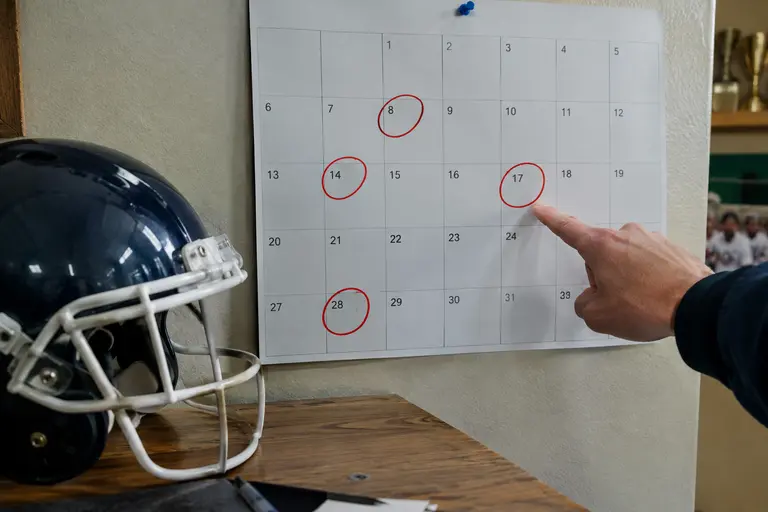
For athletes, academic outreach and athletic exposure should work together rather than compete. A recruit may first meet a school through an admissions stop, then later step into a combine, prospect camp, or campus visit with a better sense of what questions to ask. That sequence is especially useful in Alabama, where high school football carries deep local identity from the Tennessee Valley to the Gulf Coast.
Alabama Recruiting Events And The Football Calendar
The UA Next Combine Tour was preparing for its 2027 schedule as of October 31, 2026, with no dates released yet in the research provided. The event model was described as open to current eighth- through 11th-graders, with position-specific drills, combine testing, coaching from former NFL professionals, and top performers invited to the UA Next Camp the following day.
That setup shows how early the evaluation process can begin. Middle school and underclass high school prospects are not finished products, but early exposure can help them understand standards. For local coaches, those events can also provide a reference point for strength, speed, technique, and positional instruction.
What Local Coaches Can Take From The Pattern
High school coaches in Alabama often serve as the first line of guidance for college-bound athletes. The current event pattern gives those coaches a practical message to share: recruiting preparation should include grades, campus questions, event timing, and training habits. A player who treats every contact as part of the same process is better prepared than one who waits for a camp invitation to start thinking seriously.
For readers tracking the next class, our look at Alabama 2027 recruiting signals gives more context on how in-state talent can shape the Crimson Tide pipeline. The names may change by class, but the local pattern remains familiar: schools build relationships early, families weigh trust, and community reputation follows every decision.
Why Alabama Recruiting Events Matter For Local Talent
The best Alabama recruiting events give local athletes more than a date on a calendar. They create points of contact between campuses, families, high school coaches, and communities that have supported players since youth ball. Some events are academic. Some are athletic. Some are simple school visits that help a family understand what comes next.
That is why the November 2026 admissions stops and the completed fall home-region events deserve attention from a sports audience. They sit around the games rather than inside them, but they still influence how athletes choose schools and how programs build trust. In a state where Friday nights and Saturdays are closely linked, recruiting starts with relationships that are local, steady, and clear.