

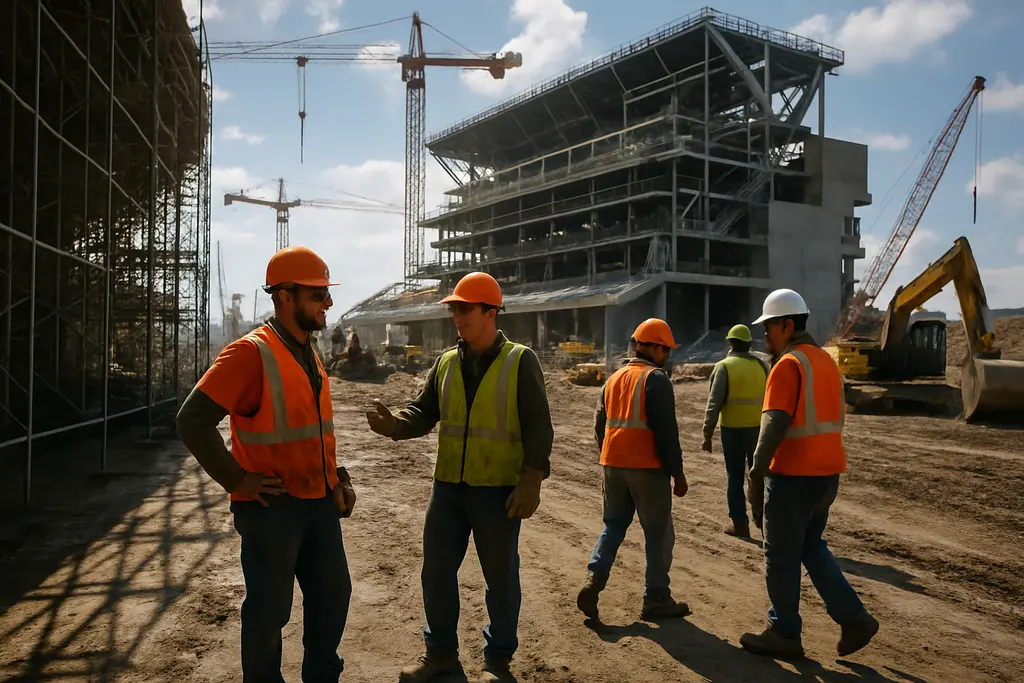
The Domed Browns Stadium in Brook Park moved from concept to construction with an April 30, 2026 groundbreaking, and its anticipated opening for the 2029 NFL season gives Northeast Ohio a long runway to consider what Browns Sundays will feel like after the move from the lakefront. Haslam Sports Group announced the start of work with AECOM Hunt and Turner Construction serving as construction managers for the new Huntington Bank Field Browns announcement. For local fans, this is not just a building story. It is a shift in ritual, weather, travel, sound, and how Cleveland football identity gets carried into Brook Park.
Domed Browns Stadium Construction Timeline
What Has Already Happened In Brook Park
As of October 10, 2026, construction was ongoing after the April 30 groundbreaking. The project is centered on a new Huntington Bank Field in Brook Park, with the Browns targeting the 2029 NFL season for the opening. That timing matters because it gives season-ticket holders, downtown businesses, Brook Park residents, and regional fans time to adjust before the first regular-season crowd enters the new building.
The early construction phase has been about scale as much as speed. Research notes describe a seating bowl with about 70 percent of seats below ground level and mass excavation tied to an 80-foot-deep foundation. That below-grade design has practical fan meaning: instead of a stadium that rises entirely above the surrounding area, much of the crowd bowl is being set into the ground. For fans, the result could influence arrival views, concourse movement, and the feeling of being closer to the field once inside.
Why The 2029 Date Matters Locally
A 2029 opening window is far enough away that many details will keep taking shape, but close enough for local habits to begin changing. Browns game days have long been connected to lakefront winds, downtown parking plans, and pregame walks through Cleveland streets. Brook Park will ask fans to form new patterns: where to gather, how early to arrive, which routes feel natural, and how families plan around weather. That adjustment will be emotional for some fans and practical for others.
Stadium changes often reveal how much sports belong to daily life beyond the scoreboard. A related look at stadium enhancements and local fan culture shows why venue design can shape the way supporters remember games, build traditions, and pass those habits to the next generation.
Design Choices That Will Change Game Day
Roof, Light, And Weather Comfort
The new stadium is planned with a translucent folded-plate roof and a long-span structural design without a truss, according to the Browns announcement. That is one of the clearest differences from the open-air lakefront experience. Cleveland football has often been framed by wind, cold, and late-season weather. A protected building does not erase that identity, but it changes what fans endure to take part in it.
For parents bringing children, older fans, and supporters traveling from other parts of Ohio, weather protection may make attendance feel less like a survival exercise in December and more like a shared sports outing. That matters in a region where the Browns are part of family calendars. The tradeoff is cultural: some fans see harsh weather as part of Cleveland’s edge, while others will welcome a building that lets crowd noise and comfort take priority over lakefront conditions.
Seating Bowl, Capacity, And Crowd Sound
Research notes put football seating capacity at 67,500, with 2,500 standing-room-only spaces and possible expansion up to 75,000 for non-football events. Capacity alone does not create atmosphere. Proximity, angles, and sound retention do much of that work. The team has described wider concourses, more efficient ingress and egress, nearby parking, and seat locations designed to bring front and back rows close to the field compared with most NFL stadiums.
The Domed Browns Stadium will be judged locally by whether it can keep the force of a Cleveland crowd while making the day easier to manage. Wider concourses may seem like a small architectural point, but anyone who has moved through a stadium at halftime knows how much space affects patience, food lines, restroom access, and the mood of a crowd. A better flow can keep fans in the building emotionally as well as physically.
The Dawg Pound And Cleveland Identity
Domed Browns Stadium And The Dawg Pound
No part of the project carries more cultural weight than the Dawg Pound. Research notes say the section is planned with a 34-degree slope, extending over 60 rows, with a design that separates it while keeping it integrated into the seating bowl. The Washington Post reported on that redesigned fan section as part of the $2.6 billion stadium project Washington Post report.
That slope and separation matter because the Dawg Pound is not a generic end-zone label. It is a civic sound, a weekly gathering place, and a symbol of how Browns fans turned loyalty into identity through lean years and better ones alike. The challenge is to modernize the section without sanding down its personality. If the section feels too polished, fans may reject it. If it amplifies noise while protecting the group’s presence inside the larger bowl, it could become the emotional center of the new building.
Keeping A Local Voice In A New Building
For many supporters, the Domed Browns Stadium will need to prove that Brook Park can still feel like Browns country. That will not come from the roof alone, or from the number of seats, or from any single construction milestone. It will come from how the building handles chants, tailgate movement, pregame gathering, and the familiar rhythm of fans seeing neighbors and family members in the same sections year after year.
The Browns opened an Experience Center on August 17, 2026, based on the research notes, giving fans a preview through full-scale seating bowl models, sample seats, and view-related elements. That kind of preview matters because supporters want to picture themselves inside the next home before the first kickoff. It also gives the organization a way to hear what fans value: sightlines, comfort, access, and whether the new venue still feels rooted in Northeast Ohio.
Travel, Access, And Brook Park Game Days
Parking And Arrival Habits
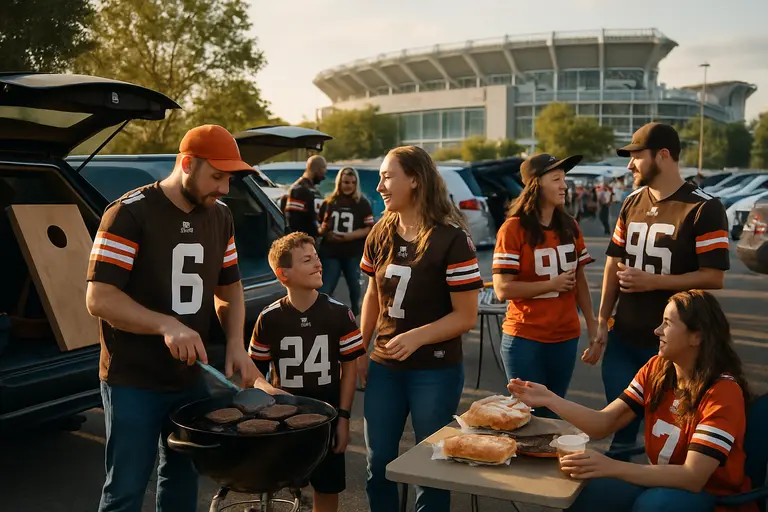
Moving to Brook Park changes the geography of Browns Sundays. The research notes point to more nearby parking and more efficient entry and exit as planned fan benefits. If those pieces work as intended, families coming from the west side, east side, Akron, Canton, and beyond may find the trip more predictable. Still, new habits take time. Fans will test routes, compare parking zones, and learn whether pregame gatherings cluster near the stadium or spread across a wider campus.
- Fans will need to learn new arrival routes and postgame exit patterns before the 2029 NFL season.
- Nearby parking could reduce long walks for some families, older fans, and cold-weather attendees.
- Brook Park businesses may see new game-day traffic as fan routines shift from the lakefront.
- Downtown Cleveland businesses connected to current game-day foot traffic may face a different Sunday pattern.
Those changes are not automatically good or bad. They are local adjustments, and they will land differently depending on where a fan lives, how they travel, and how much their game day has depended on downtown stops before and after kickoff.
Year-Round Use Beyond Browns Games
The Domed Browns Stadium is also being planned for non-football events, with research notes identifying concerts and NCAA tournaments as examples and noting possible capacity up to 75,000. That year-round use is a key part of the community conversation. A domed venue can host events that would be difficult in an open-air Northeast Ohio winter, giving Brook Park and the surrounding region a larger sports and entertainment calendar.
For basketball fans, the NCAA tournament possibility is especially meaningful. A domed NFL venue can bring neutral-site college basketball crowds, marching bands, alumni groups, and visiting families into the area. That kind of event does not replace Browns Sundays, but it can extend the building’s civic value beyond eight or nine regular-season home dates and possible playoff games.
Why Domed Browns Stadium Matters In Brook Park
The Domed Browns Stadium matters because it asks Northeast Ohio to carry a beloved football culture into a different kind of home. Construction will affect traffic patterns, fan planning, local business expectations, and the emotional map of Browns fandom long before the 2029 NFL season arrives. The new Huntington Bank Field is being built as a modern enclosed venue, but its success will be measured by something older and harder to engineer: whether Browns fans feel seen in the space.
Brook Park will gain a major sports address, while Cleveland’s lakefront will lose the weekly rhythm that Browns games have brought for years. That tension deserves respect. Fans can be hopeful about weather protection, wider concourses, closer seating, and the redesigned Dawg Pound while still feeling attached to the place they have known. The construction story is about concrete and steel, yes, but it is also about memory, movement, and whether a fan base famous for loyalty can make a new building sound like home.