

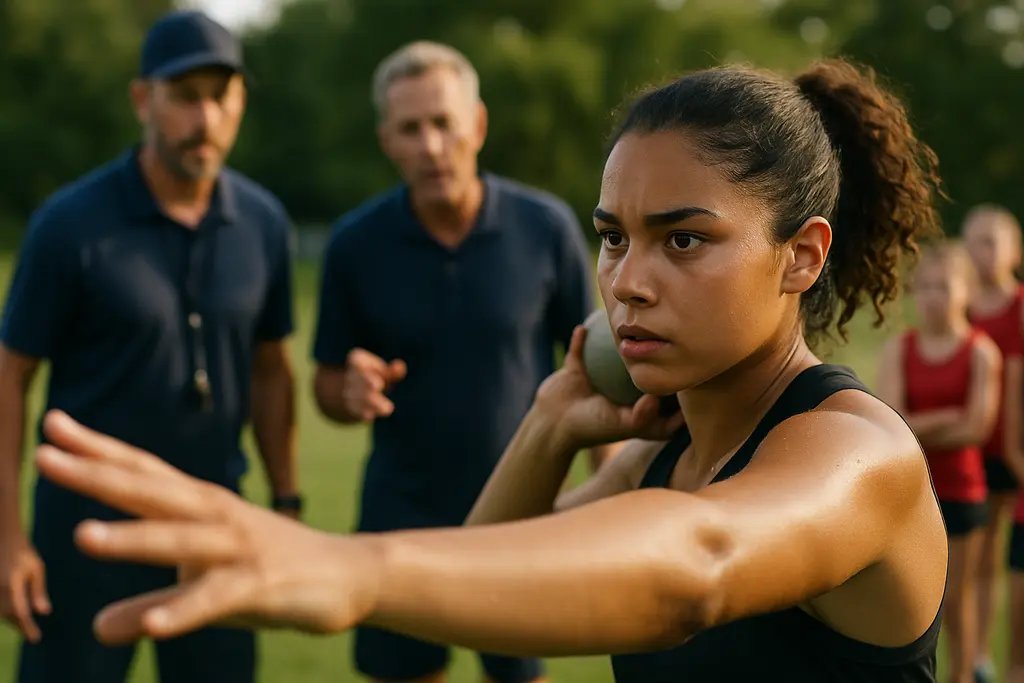
Patriot Games gave high school athletes a national championship setting on August 9-11, 2026, at Spire Academy in Geneva, Ohio, but the story began long before the first dodgeball throw or obstacle-course sprint. For every athlete selected, preparation came from local gyms, school fields, family rides, volunteer coaches, and the quiet habits built far from television lights. The event, organized by Freedom 250 as part of America’s 250th birthday celebration, brought together high school competitors ages 14-17 from U.S. states, territories, and participating tribal nations, with one male and one female athlete representing each delegation according to the Freedom 250 announcement.
By October 22, 2026, the first edition had been completed, the finale had been held, and the champions had been declared. That matters for how the event should be discussed now. This was not a coming attraction. It was a completed youth sports showcase with real competitive pressure, real scholarship stakes, and a format that asked teenagers to prove more than straight-line speed or one-sport skill. From a local sports view, the value is in studying what the event rewarded: fitness, composure, versatility, and the ability to work with unfamiliar teammates under a national spotlight.
Patriot Games Format Put Development First
Patriot Games Selection And Representation
The selection process, as described in the research record, asked hopefuls to submit a short video, personal essays, and athletic information. Judging was based on a composite score that included athletic performance and personal narrative. That mix placed preparation in a broader frame. A teenager could not rely only on a timed sprint, a highlight clip, or a single impressive lift. The process gave weight to how athletes explained themselves, their communities, and their competitive drive.
Official material listed 110 competitors, with every U.S. state, territory, and participating tribal nation represented by one male and one female high school athlete. Some reporting described the field as slightly above 120 student-athletes, a difference that appears tied to how territories and tribal nations were counted in various accounts. The safest reading is that the event was built as a national representation model, even if public descriptions differed on the final participant count. For local coaches and athletic directors, that point should not be brushed aside. Clear access, clear nomination paths, and clear roster accounting are part of making a national youth event feel reachable to families in small towns and large districts alike.
The Geneva Setting
Spire Academy in Geneva gave the event a campus-style home for a three-day schedule. That setting placed athletes in an environment built for training and competition, not a single-game showcase. For multi-event youth championships, venue design matters. Athletes need recovery windows, warmup space, meal routines, and staff communication that respects how much stress teenagers carry when they compete away from home.
The scholarship prize pool raised the stakes even higher. The research record states that $250,000 was split equally between one male and one female champion, with each champion earning $125,000. Kennadi Fuhrman of Kansas and Rockwell Myers of Utah were identified as the champions at the end of the event. Those results gave the first edition a pair of names that local athletes can remember, much like young basketball players study past state champions or hometown standouts who turned daily training into a bigger opportunity.
How The Championship Stage Tested Athletes
Team Games And Fitness Tests
The event schedule mixed individual demands with team competition. The Washington Post schedule account listed Day 1 events including dodgeball and kickball, Day 2 events such as Varsity Circuit and Operation Endurance, and Day 3 events including tug-of-war, pop-a-shot, semifinal rounds, and final rounds in its schedule report. That structure matters because it did not mirror a standard high school tournament in one sport. Instead, it rewarded athletes who could adjust from playground-style team games to fitness circuits and pressure stations.
That kind of format can be revealing. A sprinter may shine in acceleration but still need grip strength or teamwork. A basketball guard may handle pop-a-shot pressure but still face a physical test in tug-of-war. A volleyball or soccer athlete may bring lateral quickness and endurance, yet still need to communicate quickly with teammates they had just met. In that sense, the competition pushed against narrow specialization. It asked whether athletes had enough general athletic ability to stay competitive across very different tasks.
Victory Hoops And Competitive Nerves
The inclusion of “Victory Hoops” and pop-a-shot-style competition gave basketball-minded observers a familiar entry point. Shooting under pressure is never only about mechanics. It is about breath, rhythm, foot placement, confidence after a miss, and the ability to repeat a motion while the room tightens around the athlete. Those are the same lessons local coaches teach in school gyms during free-throw drills after practice, when tired legs reveal who has built dependable habits.
Championship history is full of athletes who carried local fundamentals into bigger arenas. This event offered a youth version of that same theme. The best preparation did not appear to be one drill or one camp. It appeared to be a base of movement skills, competitive maturity, and emotional control. That is where community programs earn their influence. A coach who teaches a teenager to respond after losing a point, a parent who keeps showing up for early training, and a school program that values multi-sport participation all help build the athlete who can handle a national stage.
Local Lessons From A National Showcase
What Local Coaches Can Take Back
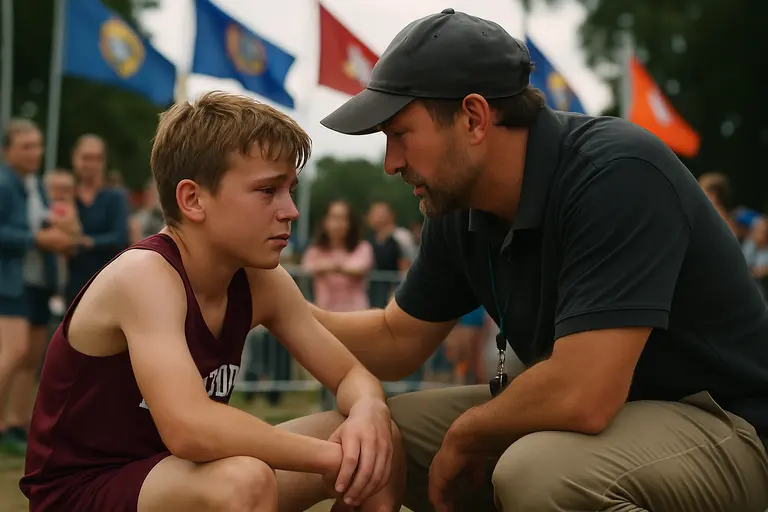
The most useful takeaway for local sports programs is that development should stay broad during the high school years. The event’s blend of traditional fitness tests, obstacle-style challenges, team games, tug-of-war, dodgeball, kickball, and hoop contests rewarded more than one athletic identity. That should encourage coaches to keep teaching coordination, agility, strength, stamina, communication, and resilience alongside sport-specific technique.
For basketball programs, the lesson is especially clear. A player who can shoot may still need balance, recovery fitness, core strength, and decision-making in traffic. A post player may benefit from footwork borrowed from soccer or volleyball. A guard may gain toughness from track workouts or football-style conditioning. The event’s format supported a truth local coaches already know: athletes become steadier when their bodies and minds have been challenged in different ways.
Community recognition also matters. When young athletes are treated as local representatives, their success becomes shared. That same spirit appears in coverage of youth athletes as local heroes, where school fields and gyms become gathering places for families who see sports as part of civic identity. A national showcase can magnify that feeling, but the first spark still comes from home.
Access Questions For The Next Class
The research record also noted concerns about how athletes learned of the opportunity, with some accounts pointing to social media or word-of-mouth. That should be taken seriously. A national youth competition can only reach its promise if families in rural districts, underfunded programs, tribal communities, and busy urban school systems can find the application path in time. Talent is not limited to families with strong sports networks or constant online access.
Local athletic departments, school counselors, recreation directors, and coaches can help by treating opportunities like this as part of athlete development. Posting application windows, helping with video submissions, reviewing essays, and explaining eligibility standards are practical ways to support students. Those steps do not guarantee selection, but they can give more athletes a fair chance to be seen.
Why The Patriot Games Matter For Youth Development
Scholarships, Champions, And Community Memory
The Patriot Games will be remembered first through its champions, Kennadi Fuhrman from Kansas and Rockwell Myers from Utah, because championship events need names attached to their first winners. Their $125,000 scholarship awards gave the event more than ceremonial value. For high school athletes and families, scholarship money can shape college planning and reduce financial pressure. That is a serious outcome from three days of competition.
Still, the broader value sits with every local program that can study the format and adjust. If a small-town basketball coach sees that national youth events are rewarding all-around movement, that coach may protect offseason conditioning. If a school athletic director sees that essays and personal stories were part of selection, the department may spend more time helping athletes communicate who they are. If a parent sees that teamwork showed up in the schedule, that parent may value character development as much as medals.
A Championship Lens For Small Towns
The Patriot Games were national in presentation, but their meaning was local in origin. Each athlete carried a home community into Geneva, whether that home was a major city, a rural county, a territory, or a tribal nation. That is the heartbeat of youth sports. Big stages do not erase local roots; they reveal them.
For the next wave of high school athletes, the lesson is not to chase one showcase at the expense of steady growth. The better lesson is to train with range, compete with humility, learn how to tell your story, and stay ready when a larger stage appears. That is how local legends are built, one practice at a time, long before the lights turn on.